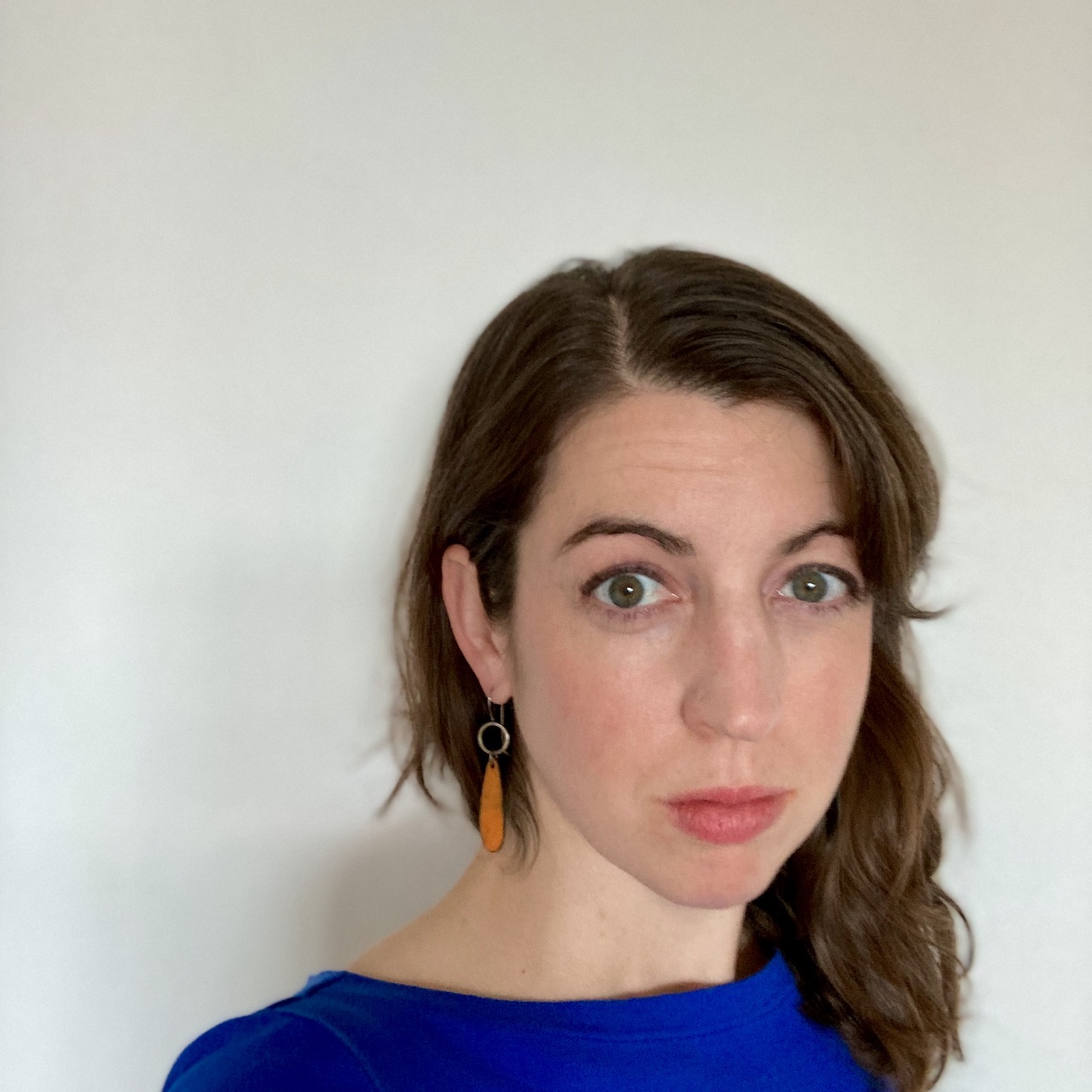
On 26 April 2026 we gathered on zoom for a workshop with Translators Aloud’s Tina Kover. Tina, with our own Misha as moderator, discussed some finer points and practicalities for reading aloud (summarized below) and then we got to practice. Practicing readings in the breakout rooms gave us all a chance to immediately put her tips into practice as well as scrutinize each other’s clothing and backgrounds. Best of all, we got to hear tantalizing excerpts from everyone’s projects!
First up, Tina articulated some answers to the question “why read aloud?”
- Fine Tuning — If you hit a snag with a voice, reading aloud, with or without an audience, can help you hone the tone of your piece, clean up dialogue, or strike the right note for humor, because our brains process verbalized language differently than they do written text
- Pitching — Translator Aloud submissions are great for texts seeking a publisher because it allows publishers to hear and feel a translator’s excitement in a way written pitches simply don’t.
- Promoting — Readings are great for texts seeking an audience!
- For fun! — Live readings and recordings help create community. Online interactions can even be valuable jumping off points for IRL relationships!
Next Tina shared some practical pointers for online readings:
- How? You can record yourself on your phone, with your laptop, via zoom, or even have a camera person on hand. The important thing is to be physically comfortable.
- Where? Pick a background you like: bookcases (pretty ones!), outside if you have a good mic, or a plain wall.
- What? Choose an excerpt that encapsulates the book and edit as needed—if one paragraph is perfect but contains a sentence that doesn’t make sense without a larger context, it’s ok to strike it for the reading.
You should also introduce your text—author, plot, history (if an older book), why this book is important, why this excerpt is notable—either at the beginning of your recording or in a note that can be included as text below your video.
Finally, practice, slow down, and remember to look up at the camera regularly. Some people memorize their texts! But it’s ok to read from the book, your phone, or a printed page as long as you remember to look at the camera sometimes.
It can also be helpful to boldface parts of the text, circle key words, and even add commas you wouldn’t need for a written text to help guide the way you modulate your voice. If you stumble, just carry on. The audience wants you to succeed and the occasional mistake is just a reminder that you’re not a robot.
N.b. for a five-minute reading you’ll want an excerpt of approximately 400 to 600 words, but be sure to practice, time yourself, and remember that less is more.
”If you stumble, just carry on. The audience wants you to succeed and the occasional mistake is just a reminder that you’re not a robot.